Prague’s micro depots: greener last-mile delivery for a safer, cleaner city

The main goal of Prague’s micro depots is to reduce the number of delivery vans in the city center by enabling last-mile delivery via cargo bikes and pedestrian couriers. Operated on city-owned land, the depots serve as transfer points where parcels are shifted from vans to more sustainable modes, aiming for economic self-sufficiency while improving urban air quality, traffic safety, and delivery efficiency.
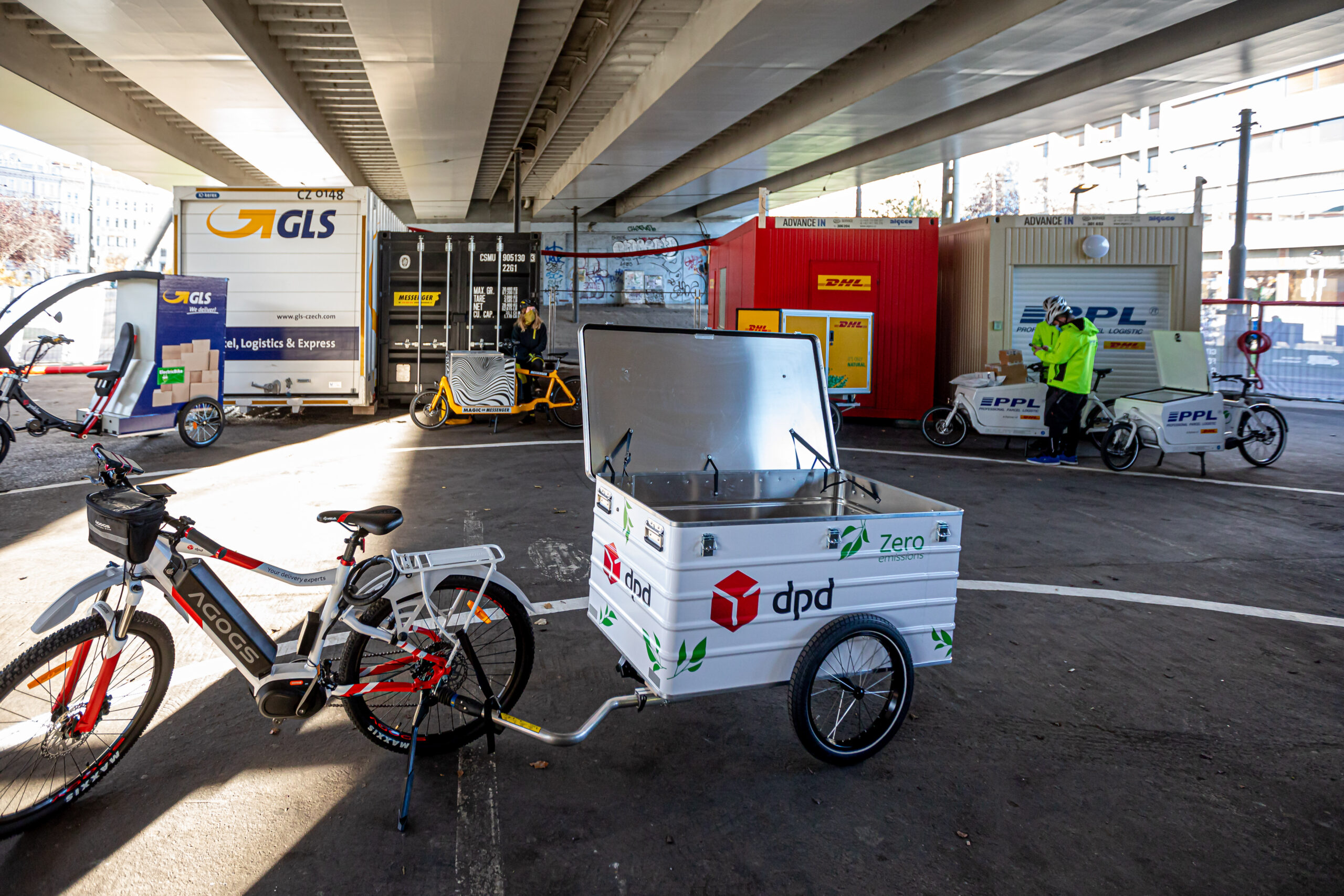
Image credit: IPR Praha
Who it’s for
The micro depot initiative is designed for local residents and businesses in Prague. Residents benefit from improved air quality, reduced traffic, and safer streets, while businesses experience more efficient and reliable last-mile deliveries. By shifting urban freight to cargo bikes and pedestrian couriers, the system supports a cleaner and quieter city environment that works better for everyone.
Key stakeholders involved: The Institute for Planning and Development (IPR), The City of Prague (MHMP).
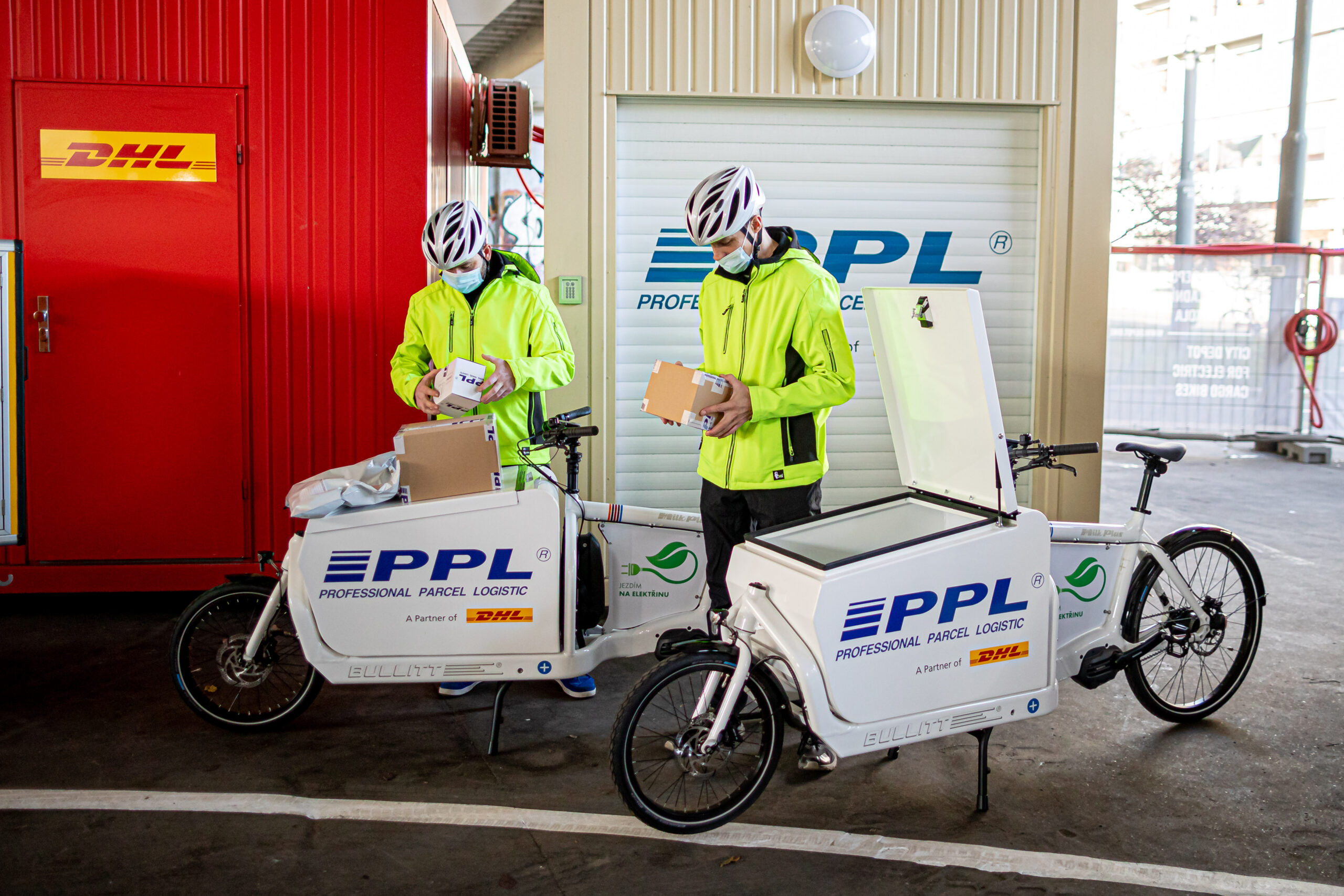
Image credit: IPR Praha
Impact in numbers
The initiative has enabled a steady volume of last-mile deliveries by cargo bikes from micro depots in Florenc (since late 2020) and Anděl (since late 2021). As of 2023–2024, couriers consistently travel around 5,000–6,000 km per month and deliver approximately 14,000–18,000 parcels monthly, showing stable usage and operational capacity across both locations. These results demonstrate the viability of micro depots in reducing van traffic and enabling more sustainable urban logistics.
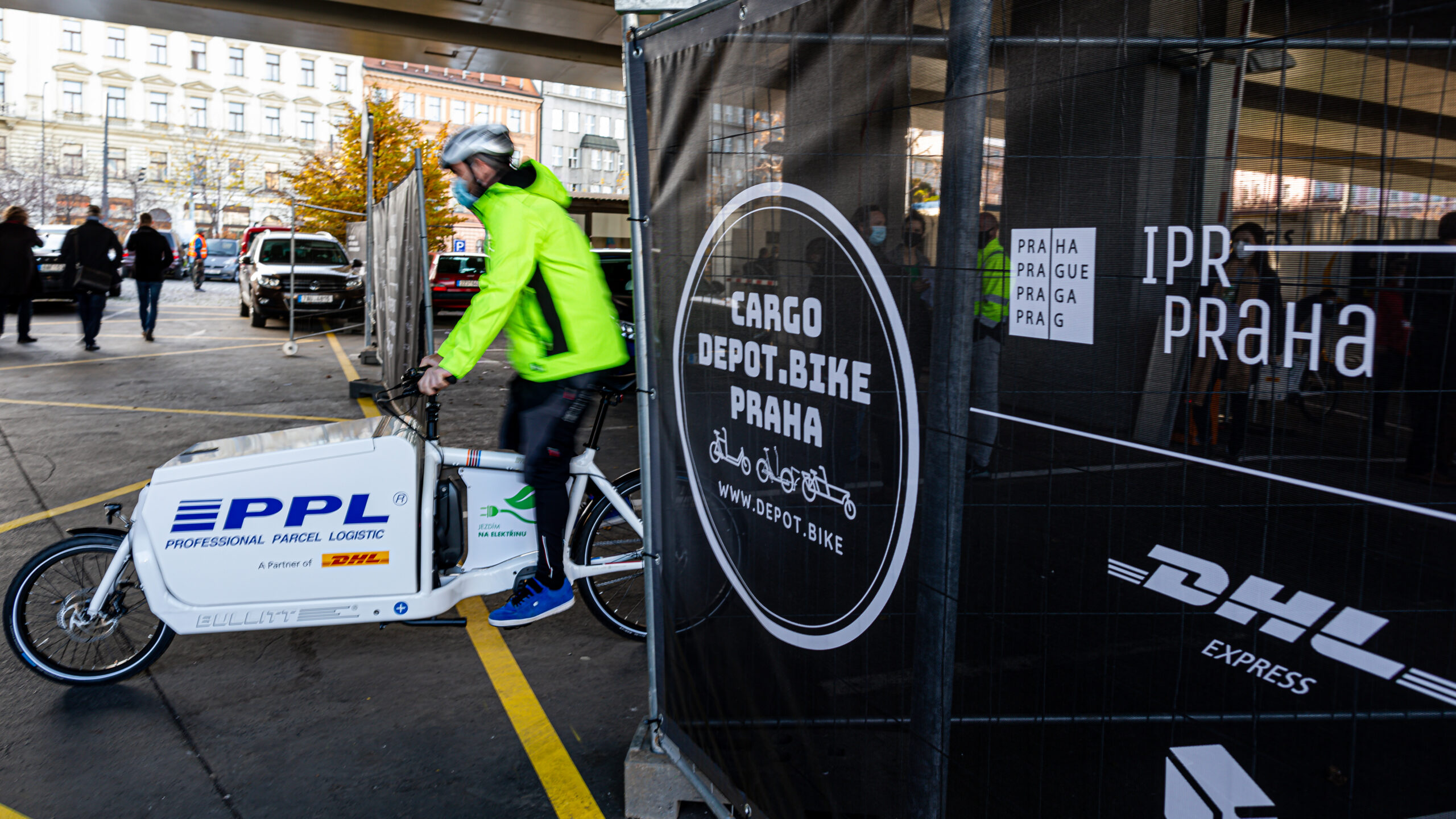
Image credit: IPR Praha
What was learned
A key lesson from Prague’s experience is that regular coordination between the city and courier companies is essential to the successful operation and development of micro depots. Ongoing dialogue helps align logistics operations with city goals, address financial and operational challenges, adapt to regulatory changes, and share lessons learned from other cities.
Challenges faced: A key barrier is that the micro depots are not being used to their full potential—growth has been slow, and interest in expanding to new locations remains limited. This hesitation is largely influenced by the absence of regulatory restrictions that would otherwise incentivize broader use.