Connecting the dots: Riga’s unified approach to mobility data ecosystem

Currently, mobility data in Riga is stored across various systems and municipal departments that are not interconnected. This fragmentation limits the ability to efficiently analyze traffic flow, public transport operations, and sustainable mobility development. To address this issue, a unified mobility data ecosystem is being developed, providing centralized, structured, and accessible data to enhance transport planning and management in Riga and its metropolitan area.
The significance of the project for Riga
Riga faces challenges in managing efficient and sustainable mobility. The lack of accessible, integrated data across different institutions hinders decision-making for transport planning and traffic management. The fragmented data landscape makes it difficult to improve public transport, optimize traffic flow, and develop sustainable mobility solutions. By creating a unified mobility data ecosystem, the project enhances decision-making, reduces data processing time, and enables a more responsive approach to traffic challenges. This initiative supports Riga’s transformation into a more modern and environmentally friendly city, improving transport efficiency while reducing congestion and emissions.

Image credit: Edijs – stock.adobe.com
Who it’s for
This project is designed for residents, public transport users, and city authorities. Citizens benefit from faster, safer, and more efficient mobility services, while gaining access to transparent data and opportunities to participate in planning processes. For city authorities and planners, the smart data system supports more informed decisions, enabling the development of sustainable infrastructure and optimized public transport networks across Riga and its metropolitan area.
Key stakeholders involved: Riga Digital Agency, Riga City Development Department, Riga City Outdoor Space and Mobility Department.

Image credit: Curioso.Photography / Adobe Stock
Impact in numbers
Introducing smart analytics tools significantly reduced the time required for mobility planning and modeling – by at least 10% – demonstrating the value of digitalisation in public administration. Replacing fragmented data systems with a unified platform proved essential for improving efficiency and enabling deeper, data-driven insights. The project also showed that streamlined access to mobility data not only enhances decision-making but also supports greater transparency and public involvement. Ultimately, the integration of automated tools and consistent data sources led to more sustainable, predictable, and responsive urban mobility planning.
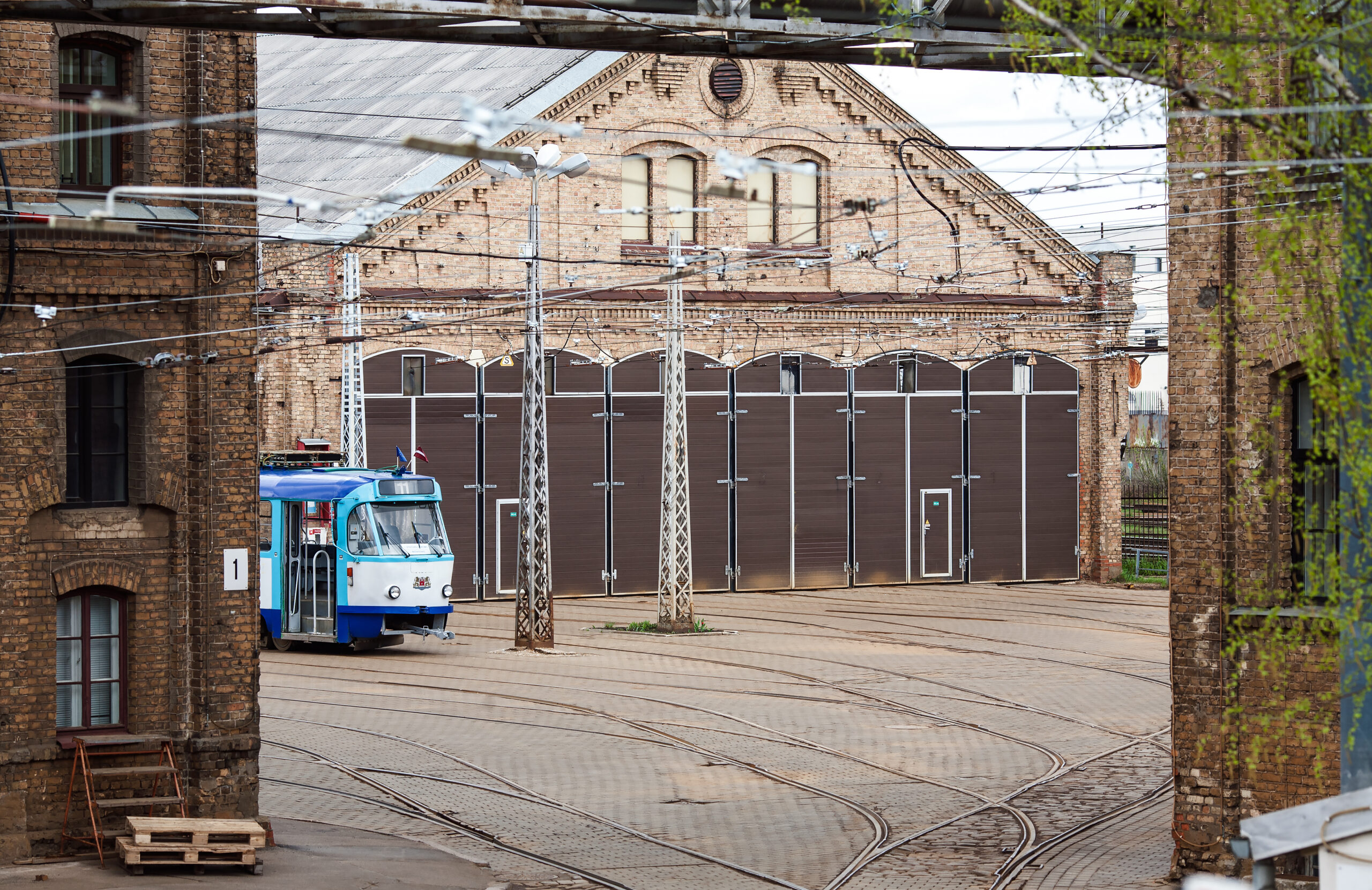
Image credit: Ekaterina / Adobe Stock
What was learned
Building a unified and reliable data ecosystem required significant coordination across departments and technical partners. Identifying and validating essential mobility datasets proved complex, especially when aligning diverse data sources. Expanding the sensor network and ensuring data quality demanded substantial technical effort and ongoing oversight. Integrating large volumes of data into planning tools and real-time systems also introduced challenges in interoperability and system performance. Finally, balancing open data accessibility with data security and usability required thoughtful implementation to serve both public and professional users effectively.
More information
https://smartriga.lv/projects_cases/development-of-a-unified-mobility-data-ecosystem