Participatory process for the Sustainable Urban Mobility Plan: Florence

Florence developed its Sustainable Urban Mobility Plan (SUMP) through a structured participatory process that actively engaged citizens and stakeholders across the metropolitan area. The SUMP, with a ten-year horizon and regular five-year updates, sets a comprehensive strategy for tackling transport challenges in a sustainable, integrated way. The approach involved inclusive dialogue, strategic orientation, and targeted methodologies to align objectives across all 41 municipalities in the Florence metropolitan area.
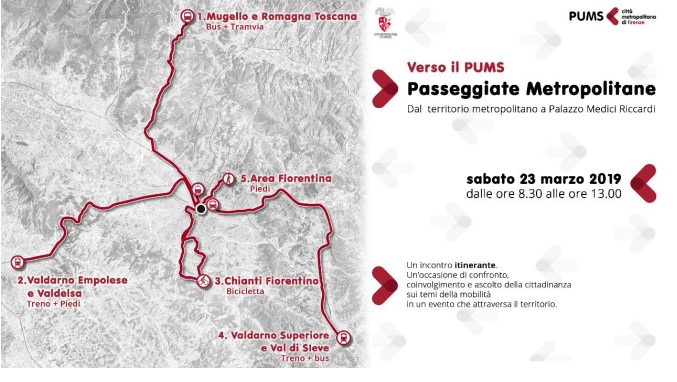
Image credit: City of Florence
Who it’s for
The initiative benefits citizens and city users, mobility stakeholders (public transport operators, freight operators, private companies managing local mobility), and local municipalities. It also involves public transport authorities at national, regional, and metropolitan levels, ensuring no part of the metropolitan area is left behind.
Key stakeholders involved:
- Citizens and local communities
- City of Florence and civil servants of the local authority
- Metropolitan-level mobility stakeholders
- National and regional public transport operators (rail, tram, bus, freight)
- Mobility Manager working group
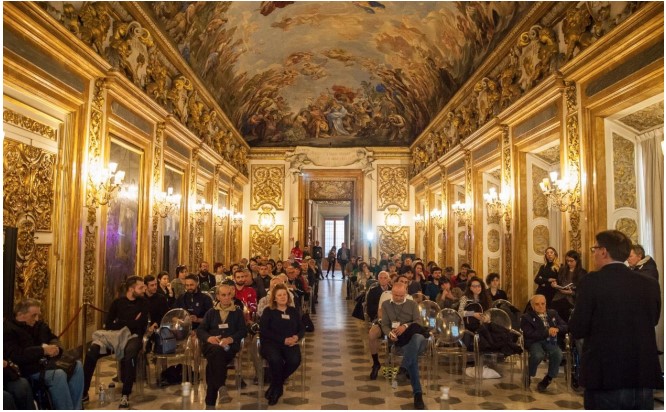
Image credit: City of Florence
Impact in numbers
Since its launch:
- Participatory engagement across 41 municipalities in the Florence metropolitan area
- Use of the “Metropolitan Walks” initiative: exploratory site visits combining different transport modes to assess mobility needs
- Integrated plans developed for railway, tramway, and rapid bus transport to address existing gaps
- Strong public participation enriched the technical work with timely analytical and design-oriented inputs
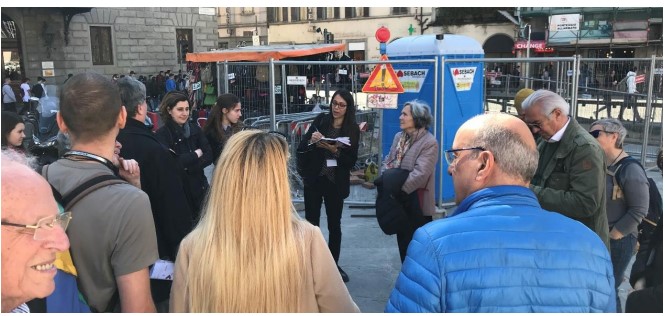
Image credit: City of Florence
What was learned
Florence demonstrated that wide-scale participation can strengthen both the legitimacy and quality of long-term planning. The “Metropolitan Walks” revealed the urgency of building a sustainable, multimodal transport system that is socially, environmentally, and economically balanced. Stakeholders identified key priorities: equitable distribution of public transport, reduced dependence on fossil-fuelled private cars, and development of a metropolitan cycling network.
Challenges faced: Designing a plan that delivers affordable, efficient, and integrated mobility services across diverse urban, peri-urban, and rural contexts of 41 municipalities proved complex, requiring consensus and adaptability.
More information
https://www.cittametropolitana.fi.it/pums/
https://www.cittametropolitana.fi.it/pums/pums-percorso-partecipativo/pums-orienteering-strategico/verso-il-pums-passeggiate-metropolitane/
https://www.cittametropolitana.fi.it/pums/pums-percorso-partecipativo/pums-ascolto-del-territorio/pums-crowdmap/