Berlin SULP

Berlin’s Sustainable Urban Logistics Plan (SULP), also known as the Integrated Commercial Transport Concept, provides the strategic basis for planning environmentally and city-compatible commercial transport in the German capital. Commercial transport – including freight and services – underpins work, consumption, and leisure in Berlin, using all available modes: waterways, rail, road, air, and pipelines. Adopted in 2021, the SULP defines quality and action targets to guide how commercial transport can evolve to support the city’s economy while improving urban environmental quality and quality of life.
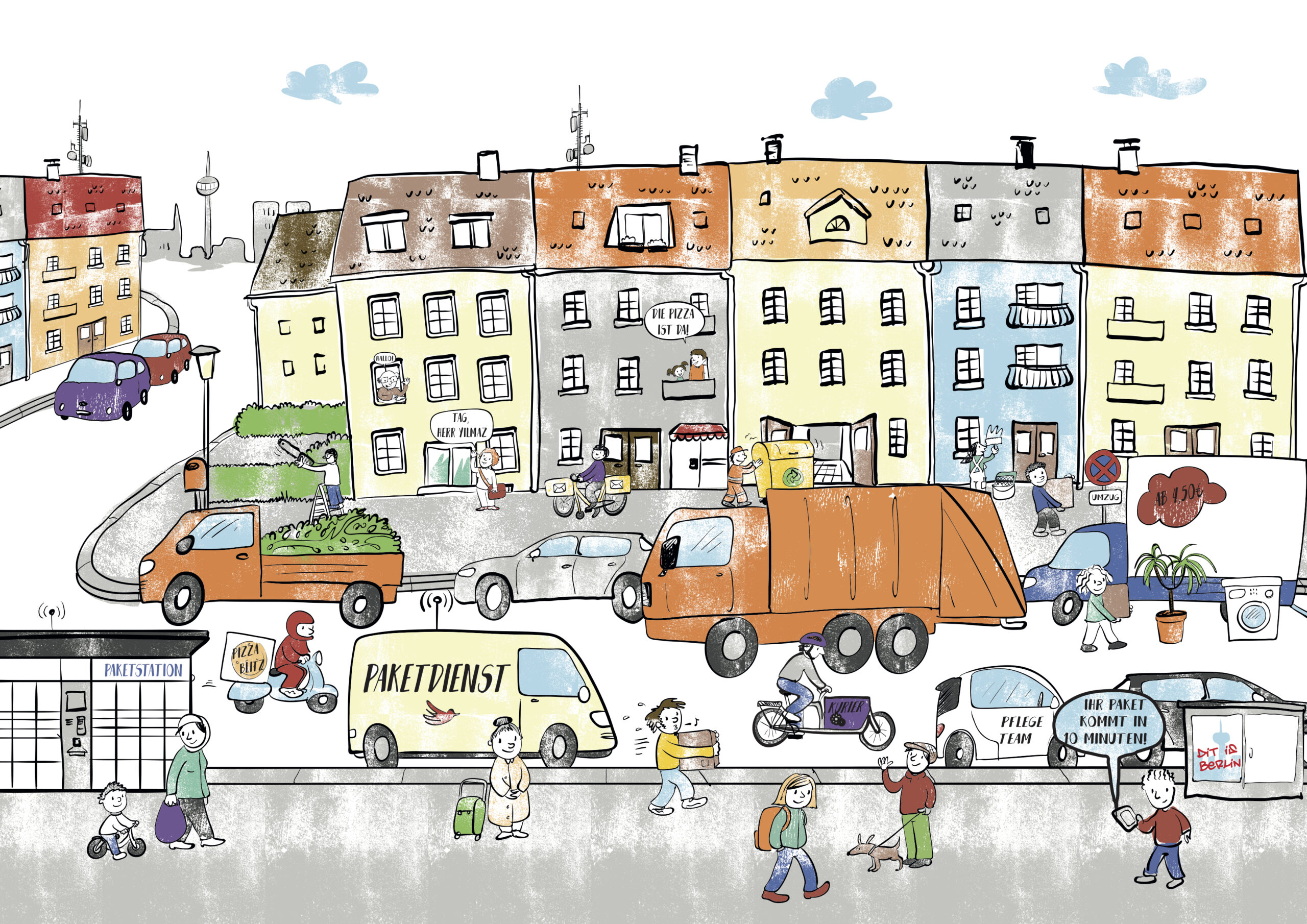
Image credit: 123 Comics
Who it’s for
The Berlin SULP serves as a compass for the public administrations responsible for urban logistics. It defines priorities and task areas, helping authorities steer commercial transport in a way that maintains supply and disposal while reducing negative impacts on residents and the environment.
Key stakeholders involved:
- Public administrations
- Chambers and associations
- Companies and shipping units
- Waste disposal companies
- Network operators
- State of Brandenburg
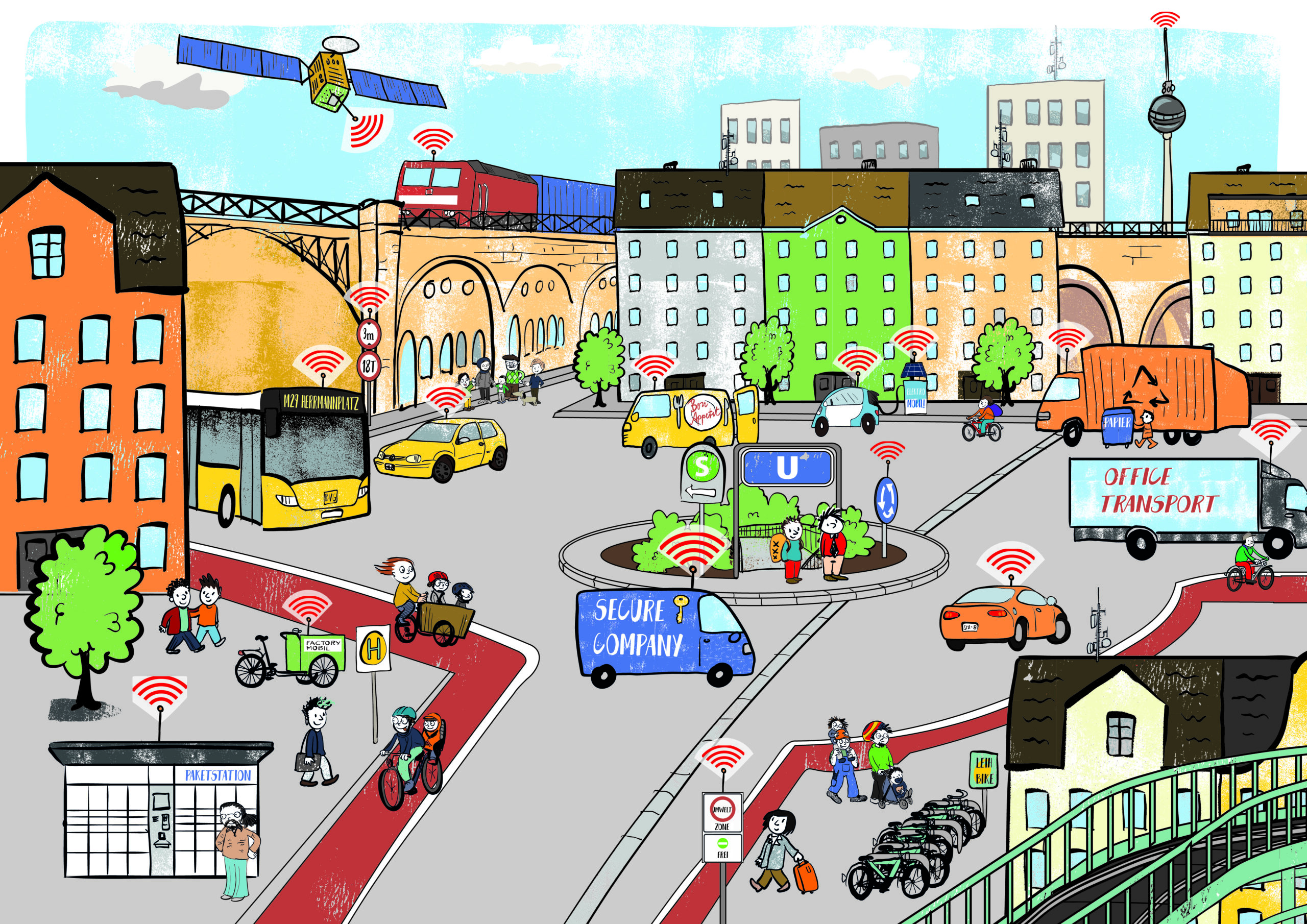
Image credit: 123 Comics
Impact in numbers
Developed between 06/2016 and 09/2021, the Berlin SULP aims to reconcile growing demands on commercial transport with the need to improve urban environmental quality and quality of life. The Integrated Commercial Transport Concept includes:
- 12 task areas covering key aspects of urban logistics, from maintaining logistics hubs to strengthening data capacity.
- A mandatory reporting obligation on implementation progress to the House of Deputies of Berlin, ensuring political oversight and accountability.
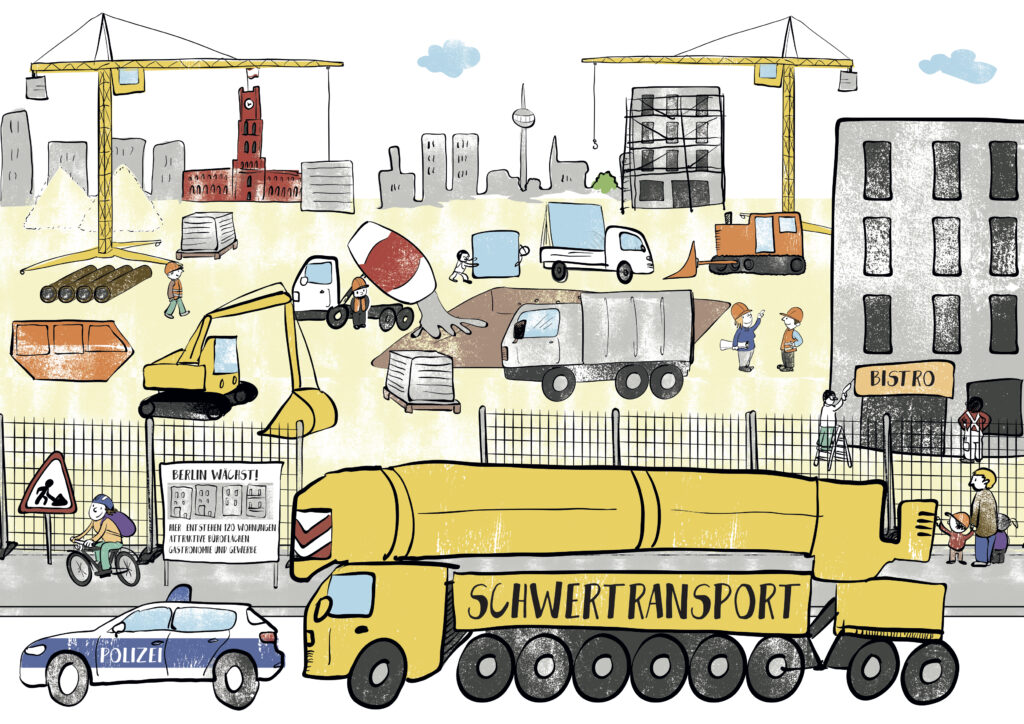
Image credit: 123 Comics
What was learned
The Berlin SULP demonstrates that planning city-compatible commercial transport requires integrating a wide range of stakeholders from production, loading and unloading, and adjacent policy fields such as spatial planning and environmental legislation. Only through interaction between these groups can transport planning ensure accessibility of neighbourhoods, secure supply and disposal, and minimise negative impacts on the economy, environment, and population.
Challenges faced:
- Reviewing, revising, and updating measures from the previous 2006 plan to reflect modern, efficient, city-compatible urban logistics.
- Addressing the diversity of urban logistics topics while focusing on implementation and promotion of new approaches.
- Coordinating input from around 30 participating institutions over a five-year working process.