Inner Urban Freight Rail Freight Hubs

Berlin is supporting the revitalisation of inner urban freight rail hubs as part of the UrbFRail project, recognising rail freight transport as particularly energy efficient and climate friendly. Urban freight rail hubs are seen as essential infrastructure for shifting more goods to rail and shortening the last mile in cities, helping to relieve congested urban roads from freight transport. As lead partner in UrbFRail, the Senate Department for Urban Mobility, Transport, Climate Action and the Environment (SenMVKU) is working with partners from Sweden and Poland to develop tools that support the (re)activation of freight rail hubs.
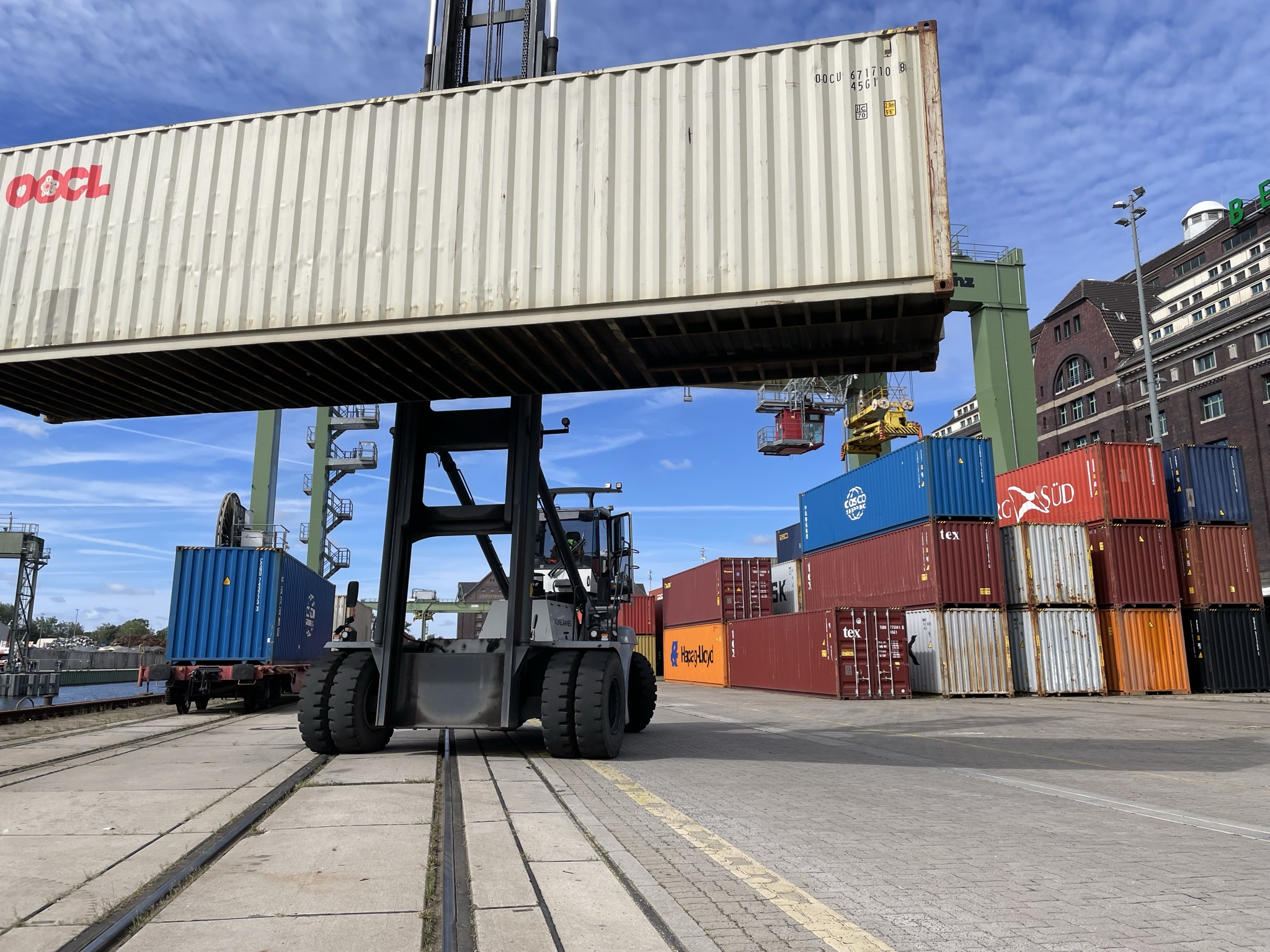
Image credit: City of Berlin
Who it’s for
The UrbFRail tools are designed to support spatial and transport planners in identifying and developing suitable locations for urban freight rail hubs. They provide guidance to assess potential sites and to initiate their (re)activation in collaboration with various stakeholders.
Key stakeholders involved:
- Senate Department for Urban Mobility, Transport, Climate Action and the Environment (SenMVKU)
- Warsaw University of Technology
- City of Stockholm
- Trafikverket
- Metropolis GZM
- Lindholmen Science Park AB
- KTH Royal Institute of Technology
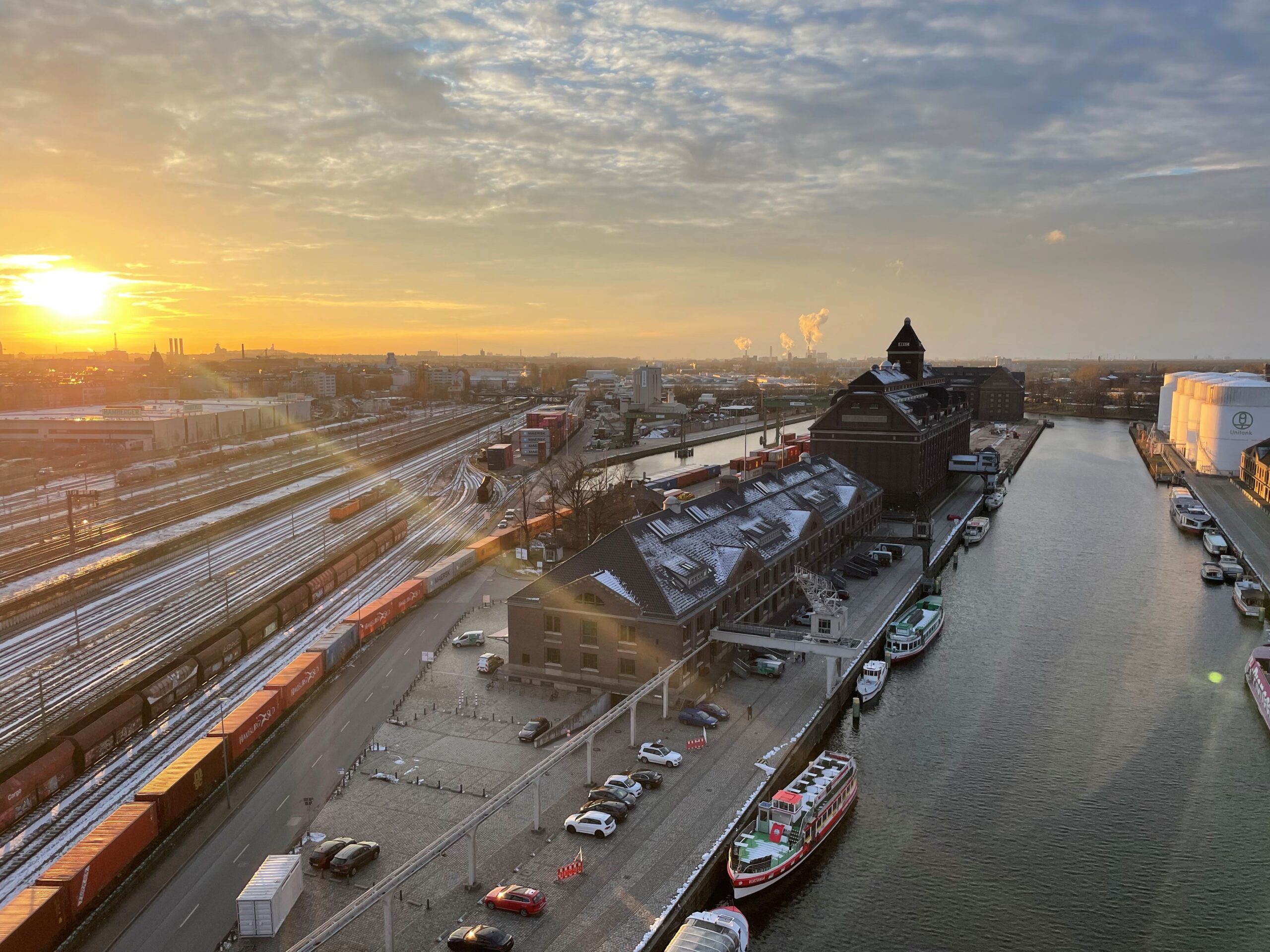
Image credit: City of Florence
Impact in numbers
Since its launch in 08/2023 (ongoing until 01/2025), UrbFRail has focused on creating practical tools for planners working on inner urban freight rail hubs:
- UrbFRail screening tool to assess the general suitability of a specific site to be developed as a freight rail hub, whether it is an existing railway siding or an area without any rail freight infrastructure.
- UrbFRail development tool to support urban and transport planners in planning and organising urban freight rail hubs, offering a structured yet flexible development pathway.
- The development tool provides step-by-step guidance, a knowledge base with checklists, and interactive formats as both a PDF and an Excel document.
What was learned
UrbFRail shows that successful development of inner urban freight rail hubs depends on involving the right stakeholders in an iterative planning process and on strong public–private collaboration. The project underlines the importance of knowledge sharing and confirms the crucial role of freight rail for sustainable urban logistics. It also points to the need for further research into rail freight automation and organisation, and calls for discussions on these topics to be expanded to the European level.
Challenges faced:
- Establishing a common understanding among project partners of the crucial factors that determine whether a site is suitable to be developed into a freight rail hub.
- Addressing systemic differences between countries, especially regarding rail infrastructure management, which strongly influence freight rail hub development.
- Managing differing legal requirements for spatial and rail infrastructure planning, as well as varied framework conditions (for example, in former mining regions), which required a complex and context-sensitive approach.
More information
- UrbFRail Learning Platform: https://urbfrail.eu/
- UrbFRail screening tool: https://screeningtool.urbfrail.eu/
- UrbFRail development tool: https://interreg-baltic.eu/wp-content/uploads/2025/06/Urban-Freight-Rail-Development-Tool-1.pdf